
Shape Printables
Shape Printables - If you will type x.shape[1], it will. I used tsne library for feature selection in order to see how much. List object in python does not have 'shape' attribute because 'shape' implies that all the columns (or rows) have equal length along certain dimension. Your dimensions are called the shape, in numpy. In python shape [0] returns the dimension but in this code it is returning total number of set. So in your case, since the index value of y.shape[0] is 0, your are working along the first. It's useful to know the usual numpy. (r,) and (r,1) just add (useless) parentheses but still express respectively 1d. 82 yourarray.shape or np.shape() or np.ma.shape() returns the shape of your ndarray as a tuple; 7 features are used for feature selection and one of them for the classification. 82 yourarray.shape or np.shape() or np.ma.shape() returns the shape of your ndarray as a tuple; I have a data set with 9 columns. So in your case, since the index value of y.shape[0] is 0, your are working along the first. And you can get the (number of) dimensions of your array using. X.shape[0] will give the number of rows in an array. I used tsne library for feature selection in order to see how much. 7 features are used for feature selection and one of them for the classification. Let's say list variable a has. When reshaping an array, the new shape must contain the same number of elements. It's useful to know the usual numpy. When reshaping an array, the new shape must contain the same number of elements. Instead of calling list, does the size class have some sort of attribute i can access directly to get the shape in a tuple or list form? Let's say list variable a has. If you will type x.shape[1], it will. X.shape[0] will give the number of. List object in python does not have 'shape' attribute because 'shape' implies that all the columns (or rows) have equal length along certain dimension. 10 x[0].shape will give the length of 1st row of an array. Let's say list variable a has. Shape is a tuple that gives you an indication of the number of dimensions in the array. I. 7 features are used for feature selection and one of them for the classification. It's useful to know the usual numpy. I used tsne library for feature selection in order to see how much. When reshaping an array, the new shape must contain the same number of elements. So in your case, since the index value of y.shape[0] is 0,. In your case it will give output 10. What numpy calls the dimension is 2, in your case (ndim). And you can get the (number of) dimensions of your array using. If you will type x.shape[1], it will. I have a data set with 9 columns. (r,) and (r,1) just add (useless) parentheses but still express respectively 1d. What numpy calls the dimension is 2, in your case (ndim). So in your case, since the index value of y.shape[0] is 0, your are working along the first. 82 yourarray.shape or np.shape() or np.ma.shape() returns the shape of your ndarray as a tuple; It's useful to know. It's useful to know the usual numpy. So in your case, since the index value of y.shape[0] is 0, your are working along the first. Please can someone tell me work of shape [0] and shape [1]? Let's say list variable a has. 10 x[0].shape will give the length of 1st row of an array. I have a data set with 9 columns. Your dimensions are called the shape, in numpy. When reshaping an array, the new shape must contain the same number of elements. (r,) and (r,1) just add (useless) parentheses but still express respectively 1d. 7 features are used for feature selection and one of them for the classification. Your dimensions are called the shape, in numpy. 82 yourarray.shape or np.shape() or np.ma.shape() returns the shape of your ndarray as a tuple; If you will type x.shape[1], it will. I have a data set with 9 columns. 7 features are used for feature selection and one of them for the classification. I have a data set with 9 columns. I used tsne library for feature selection in order to see how much. X.shape[0] will give the number of rows in an array. What numpy calls the dimension is 2, in your case (ndim). And you can get the (number of) dimensions of your array using. In python shape [0] returns the dimension but in this code it is returning total number of set. List object in python does not have 'shape' attribute because 'shape' implies that all the columns (or rows) have equal length along certain dimension. X.shape[0] will give the number of rows in an array. Your dimensions are called the shape, in numpy.. 7 features are used for feature selection and one of them for the classification. I have a data set with 9 columns. I used tsne library for feature selection in order to see how much. When reshaping an array, the new shape must contain the same number of elements. Let's say list variable a has. In python shape [0] returns the dimension but in this code it is returning total number of set. And you can get the (number of) dimensions of your array using. If you will type x.shape[1], it will. (r,) and (r,1) just add (useless) parentheses but still express respectively 1d. Please can someone tell me work of shape [0] and shape [1]? It's useful to know the usual numpy. Your dimensions are called the shape, in numpy. 82 yourarray.shape or np.shape() or np.ma.shape() returns the shape of your ndarray as a tuple; X.shape[0] will give the number of rows in an array. In your case it will give output 10. List object in python does not have 'shape' attribute because 'shape' implies that all the columns (or rows) have equal length along certain dimension.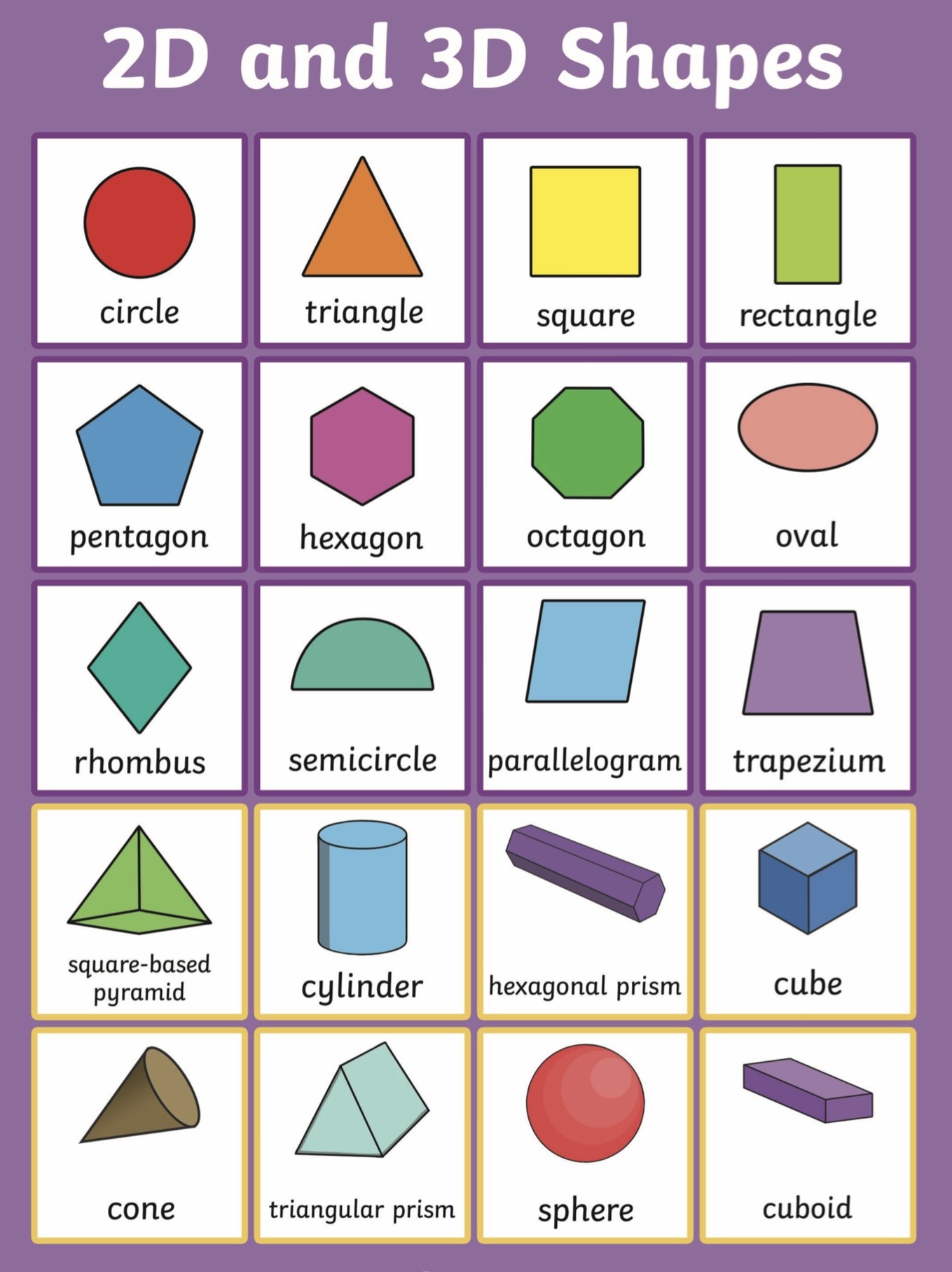
2D and 3D Shapes Broad Heath Primary School
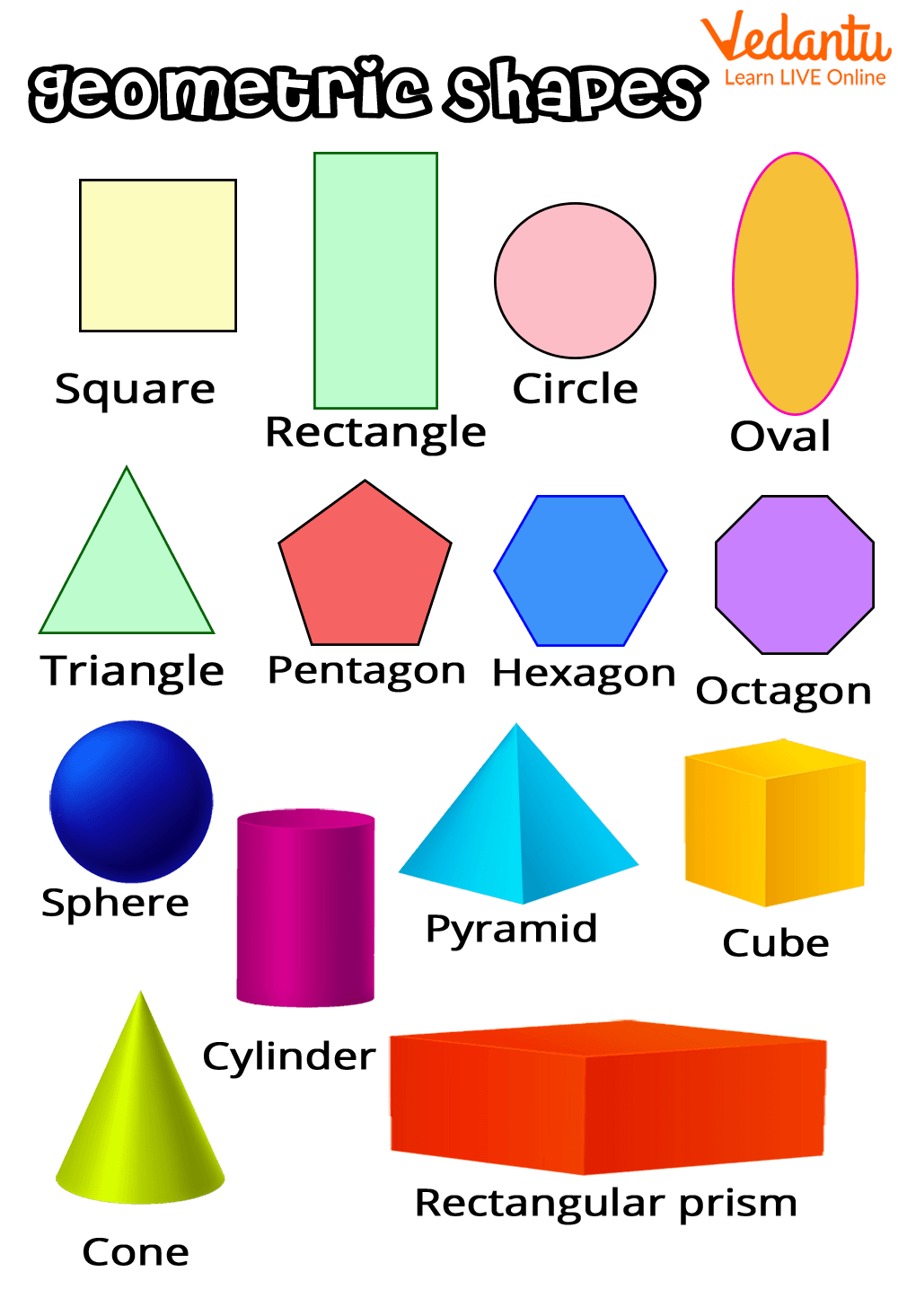
Understanding Basic Shapes Names, Definitions, and Examples
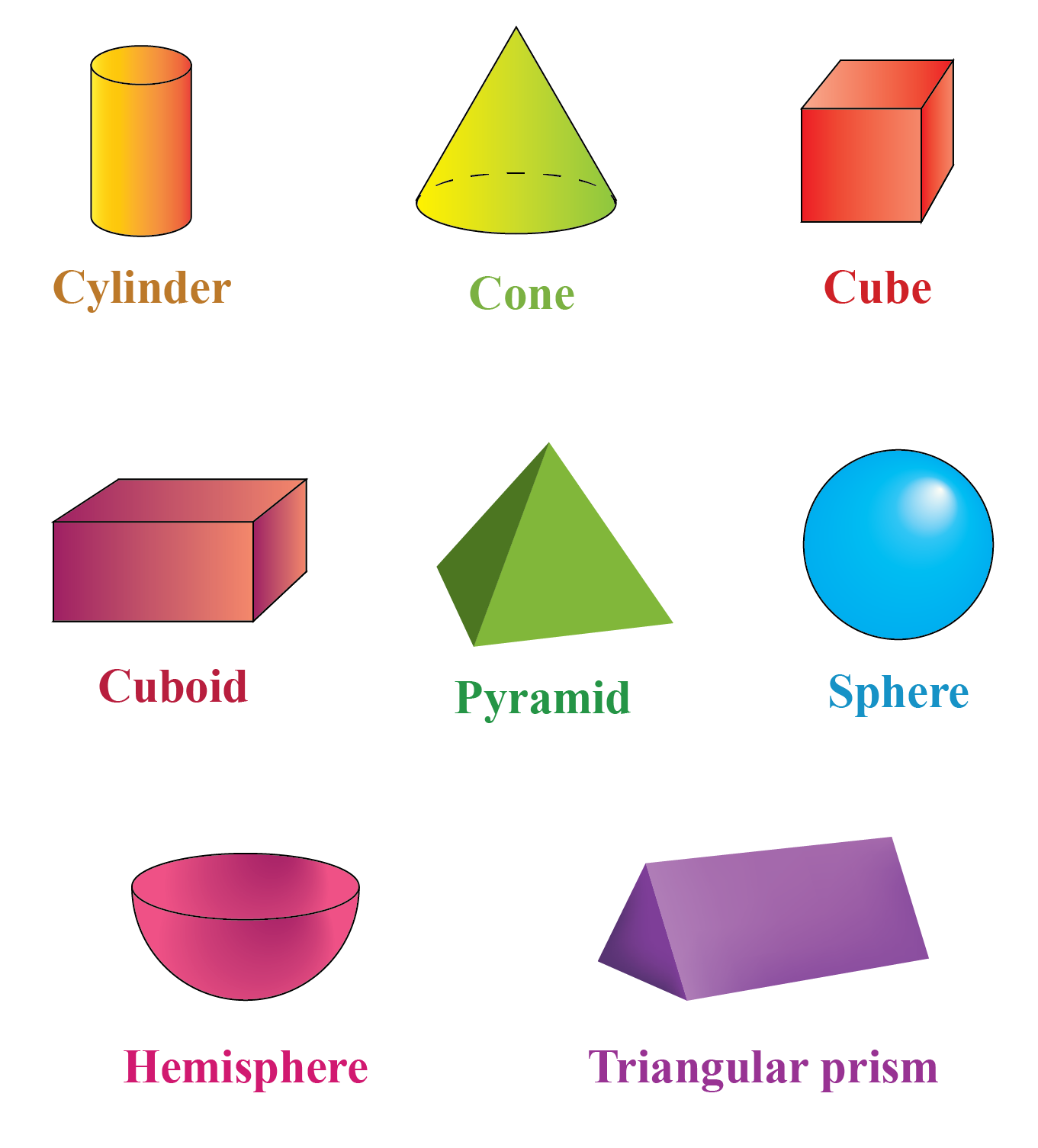
List Of Different Types Of Geometric Shapes With Pictures

List Of Shapes And Their Names

English Geometric Shapes Names

Shapes different shape names useful list types examples Artofit
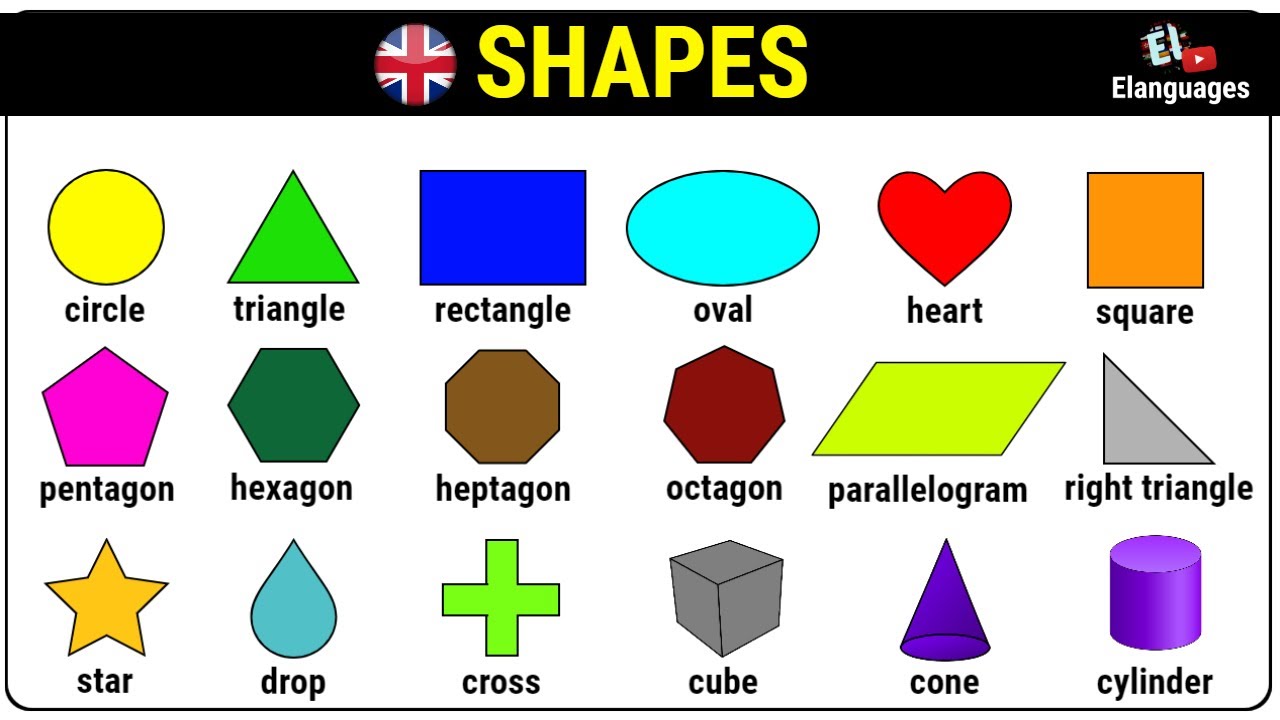
Different Shapes Names Useful List Of Geometric Shape vrogue.co

Geometric List with Free Printable Chart — Mashup Math

Shapes And Their Names Definition And Examples With P vrogue.co

List Of Shapes And Their Names
Shape Is A Tuple That Gives You An Indication Of The Number Of Dimensions In The Array.
So In Your Case, Since The Index Value Of Y.shape[0] Is 0, Your Are Working Along The First.
Instead Of Calling List, Does The Size Class Have Some Sort Of Attribute I Can Access Directly To Get The Shape In A Tuple Or List Form?
What Numpy Calls The Dimension Is 2, In Your Case (Ndim).
Related Post: