
Pangea Printable
Pangea Printable - Pangea was once a single unified landmass surrounded by a solitary sea called panthalassa. The explanation for pangaea's formation. The process started about 450 million years ago (mya) and was complete by 210 mya. Pangea was formed around 335 million years ago from the earlier continental units. Pangaea was a supercontinent that existed during the late paleozoic and early mesozoic eras. Pangea was surrounded by a global ocean called panthalassa, and it. At that time, earth didn't have seven continents, but instead one giant one surrounded by a single ocean called panthalassa. Wegener called the ancient supercontinent pangaea, meaning all lands in greek, and he said it was bordered by panthalassa, the universal sea. Pangaea[2] was the global supercontinent which formed in the palaeozoic era. Pangea, in early geologic time, a supercontinent that incorporated almost all the landmasses on earth. The process started about 450 million years ago (mya) and was complete by 210 mya. Pangaea was a supercontinent that existed during the late paleozoic and early mesozoic eras. The explanation for pangaea's formation. Pangea was once a single unified landmass surrounded by a solitary sea called panthalassa. Pangea broke apart in three major stages, as rifts appeared. Pangea was surrounded by a global ocean called panthalassa, and it. Nowadays, they can study the geologic record and use radioactive dating, seismic surveys,. Before the triassic began, approximately 252 million years ago, the plates had moved in such a way that all of the major landmasses had collided with each other, forming a. At that time, earth didn't have seven continents, but instead one giant one surrounded by a single ocean called panthalassa. Pangea was formed around 335 million years ago from the earlier continental units. Nowadays, they can study the geologic record and use radioactive dating, seismic surveys,. At that time, earth didn't have seven continents, but instead one giant one surrounded by a single ocean called panthalassa. Before the triassic began, approximately 252 million years ago, the plates had moved in such a way that all of the major landmasses had collided with each. [2] it assembled from the earlier continental units of. Pangea was once a single unified landmass surrounded by a solitary sea called panthalassa. How did scientists “discover” pangea and other supercontinents of the past? Pangea was formed around 335 million years ago from the earlier continental units. Before the triassic began, approximately 252 million years ago, the plates had moved. Pangaea was a supercontinent that existed during the late paleozoic and early mesozoic eras. Pangea was once a single unified landmass surrounded by a solitary sea called panthalassa. Nowadays, they can study the geologic record and use radioactive dating, seismic surveys,. Pangaea[2] was the global supercontinent which formed in the palaeozoic era. The process started about 450 million years ago. Pangea broke apart in three major stages, as rifts appeared. The process started about 450 million years ago (mya) and was complete by 210 mya. Pangea was formed around 335 million years ago from the earlier continental units. Pangea was surrounded by a global ocean called panthalassa, and it. At that time, earth didn't have seven continents, but instead one. Wegener called the ancient supercontinent pangaea, meaning all lands in greek, and he said it was bordered by panthalassa, the universal sea. The explanation for pangaea's formation. At that time, earth didn't have seven continents, but instead one giant one surrounded by a single ocean called panthalassa. Pangaea[2] was the global supercontinent which formed in the palaeozoic era. Pangea was. Pangaea[2] was the global supercontinent which formed in the palaeozoic era. The process started about 450 million years ago (mya) and was complete by 210 mya. How did scientists “discover” pangea and other supercontinents of the past? Pangea broke apart in three major stages, as rifts appeared. The explanation for pangaea's formation. Pangea, in early geologic time, a supercontinent that incorporated almost all the landmasses on earth. Pangea was once a single unified landmass surrounded by a solitary sea called panthalassa. Pangea was formed around 335 million years ago from the earlier continental units. Pangaea was a supercontinent that existed during the late paleozoic and early mesozoic eras. Pangea broke apart in. The process started about 450 million years ago (mya) and was complete by 210 mya. Pangea, in early geologic time, a supercontinent that incorporated almost all the landmasses on earth. How did scientists “discover” pangea and other supercontinents of the past? Nowadays, they can study the geologic record and use radioactive dating, seismic surveys,. [2] it assembled from the earlier. The process started about 450 million years ago (mya) and was complete by 210 mya. Pangaea was a supercontinent that existed during the late paleozoic and early mesozoic eras. [2] it assembled from the earlier continental units of. The explanation for pangaea's formation. At that time, earth didn't have seven continents, but instead one giant one surrounded by a single. Pangaea was a supercontinent that existed during the late paleozoic and early mesozoic eras. Pangea was once a single unified landmass surrounded by a solitary sea called panthalassa. At that time, earth didn't have seven continents, but instead one giant one surrounded by a single ocean called panthalassa. Nowadays, they can study the geologic record and use radioactive dating, seismic. Nowadays, they can study the geologic record and use radioactive dating, seismic surveys,. Pangaea was a supercontinent that existed during the late paleozoic and early mesozoic eras. At that time, earth didn't have seven continents, but instead one giant one surrounded by a single ocean called panthalassa. The process started about 450 million years ago (mya) and was complete by 210 mya. Pangea was formed around 335 million years ago from the earlier continental units. Pangea was surrounded by a global ocean called panthalassa, and it. Pangea broke apart in three major stages, as rifts appeared. Pangaea[2] was the global supercontinent which formed in the palaeozoic era. Pangea, in early geologic time, a supercontinent that incorporated almost all the landmasses on earth. The explanation for pangaea's formation. Pangea was once a single unified landmass surrounded by a solitary sea called panthalassa. Before the triassic began, approximately 252 million years ago, the plates had moved in such a way that all of the major landmasses had collided with each other, forming a.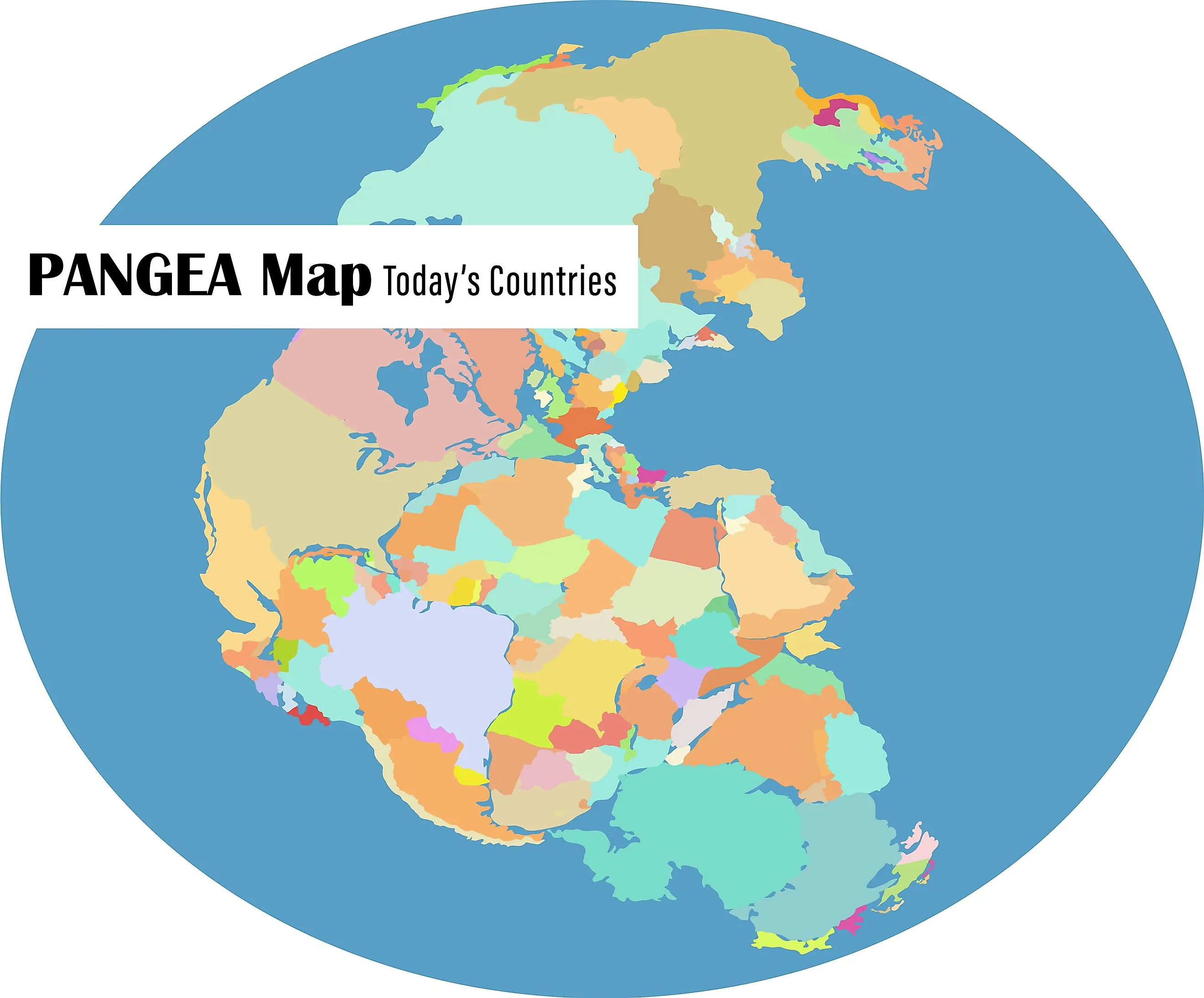
Pangea WorldAtlas

Panthalassa And Pangea
:max_bytes(150000):strip_icc()/GettyImages-476873389-5c44fc6146e0fb0001afe477.jpg)
History of the Supercontinent Pangea

Map of Pangaea Ancient Supercontinent
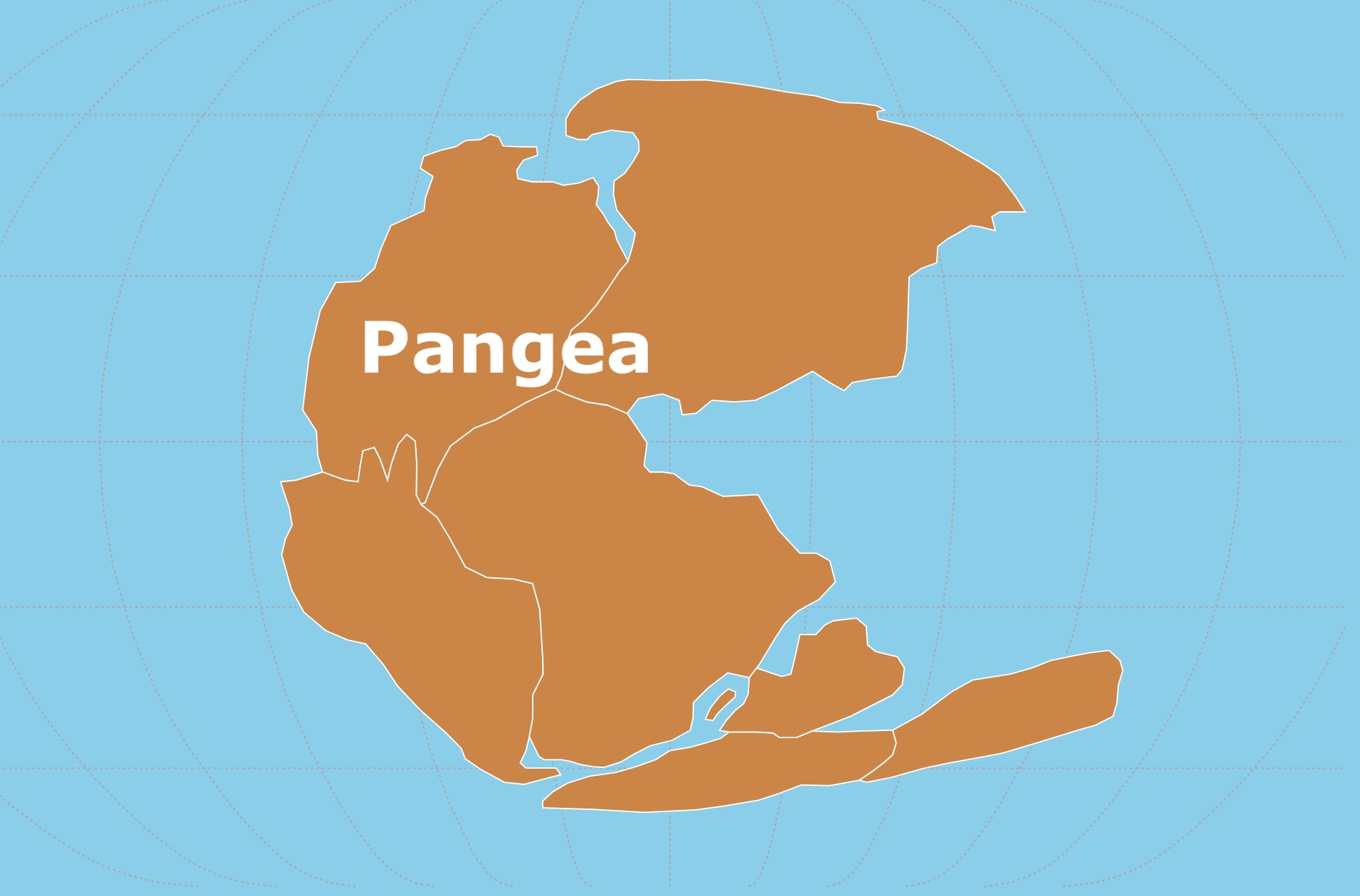
Interactive Map of Pangea and the Continental Drift
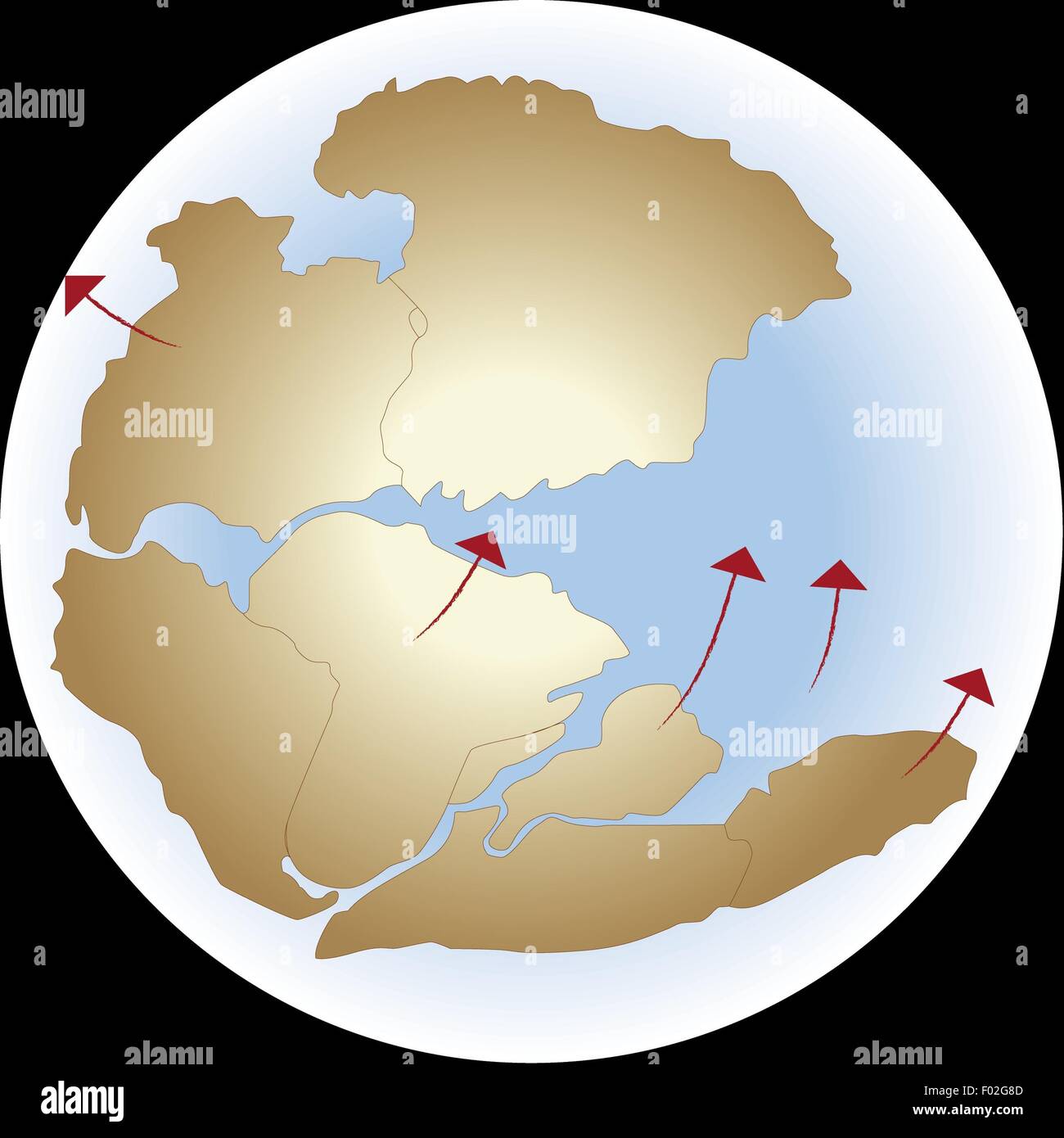
Pangea
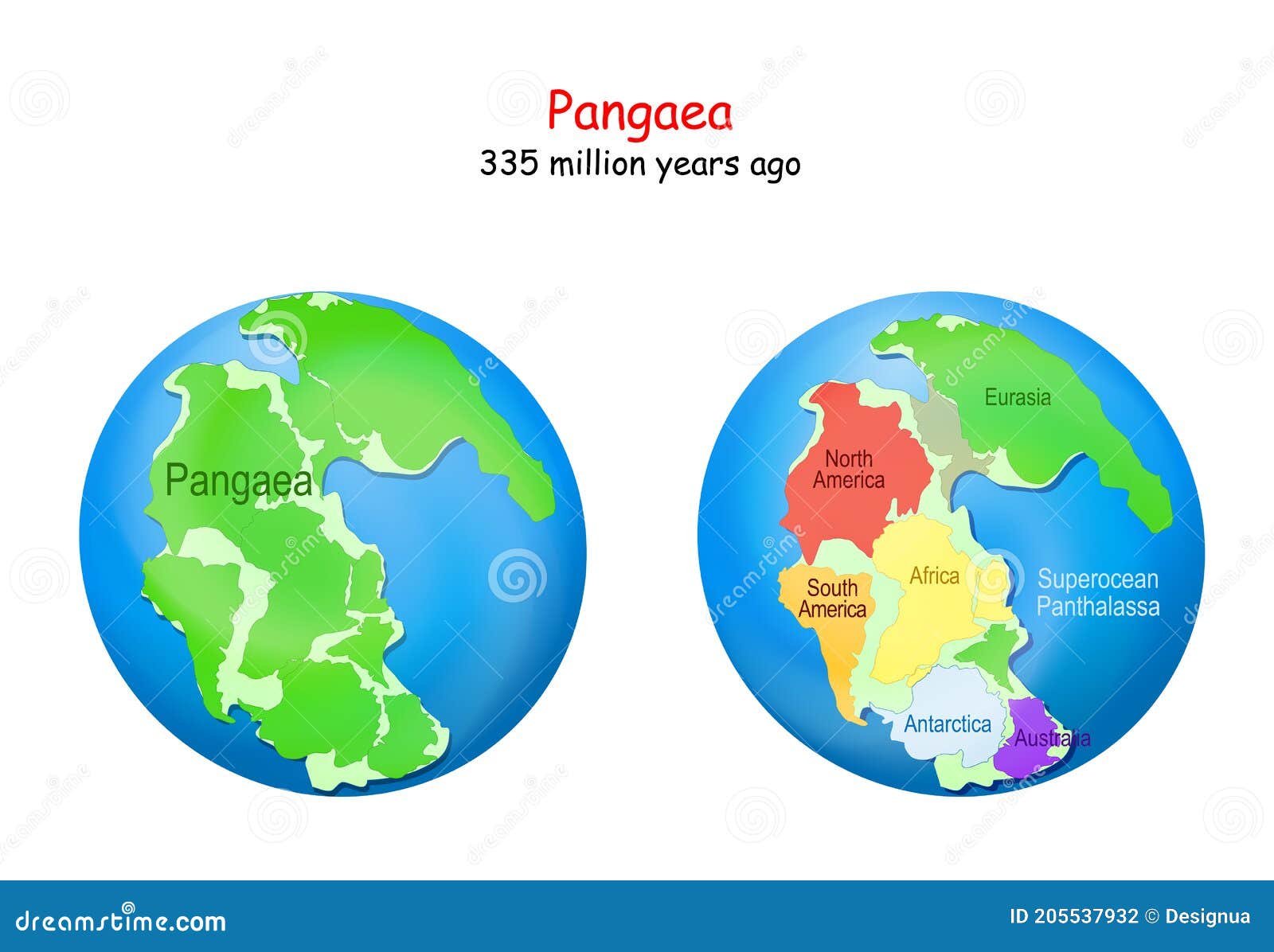
Simple Pangea Map
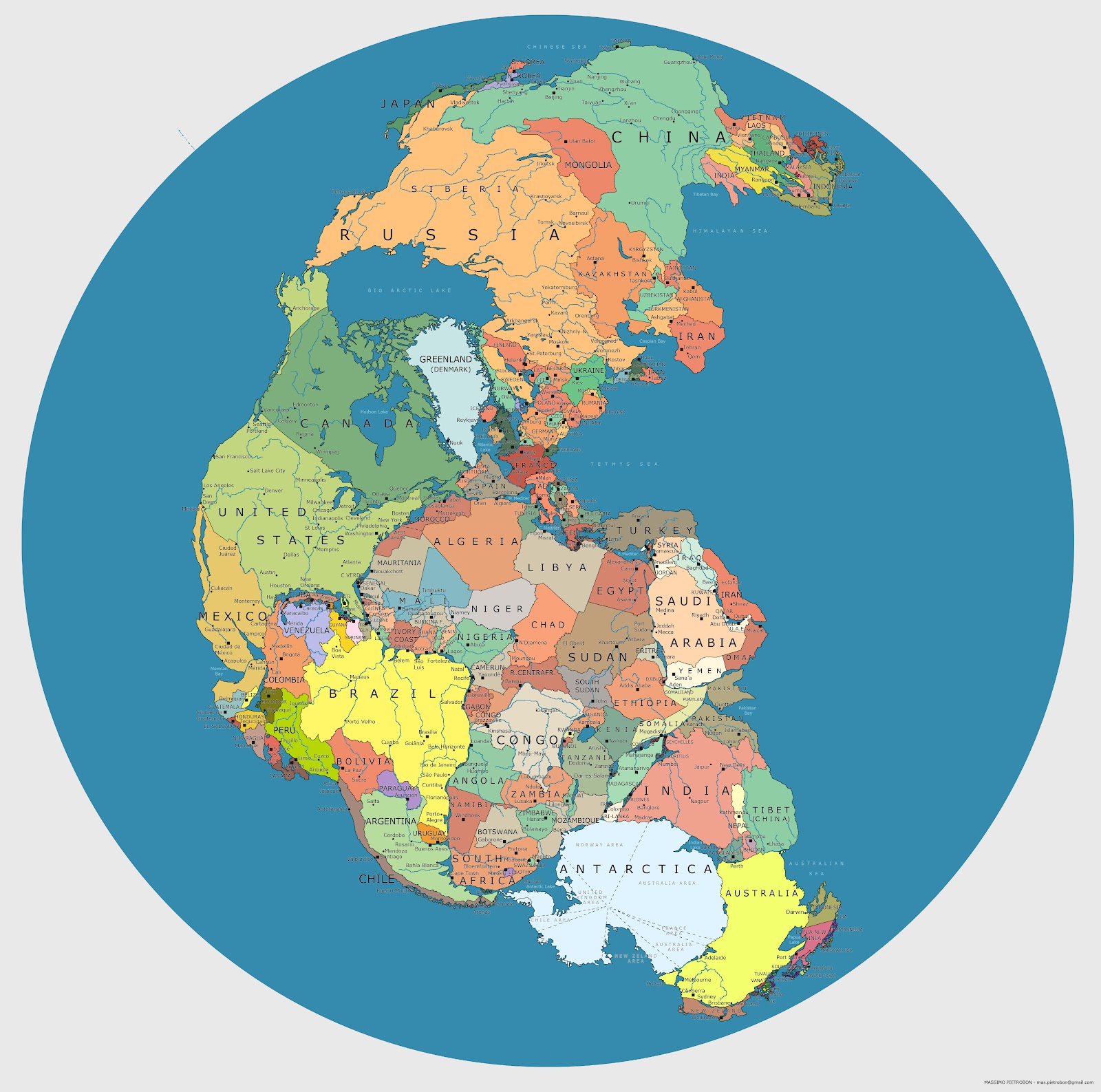
Pangea Map With Greenland
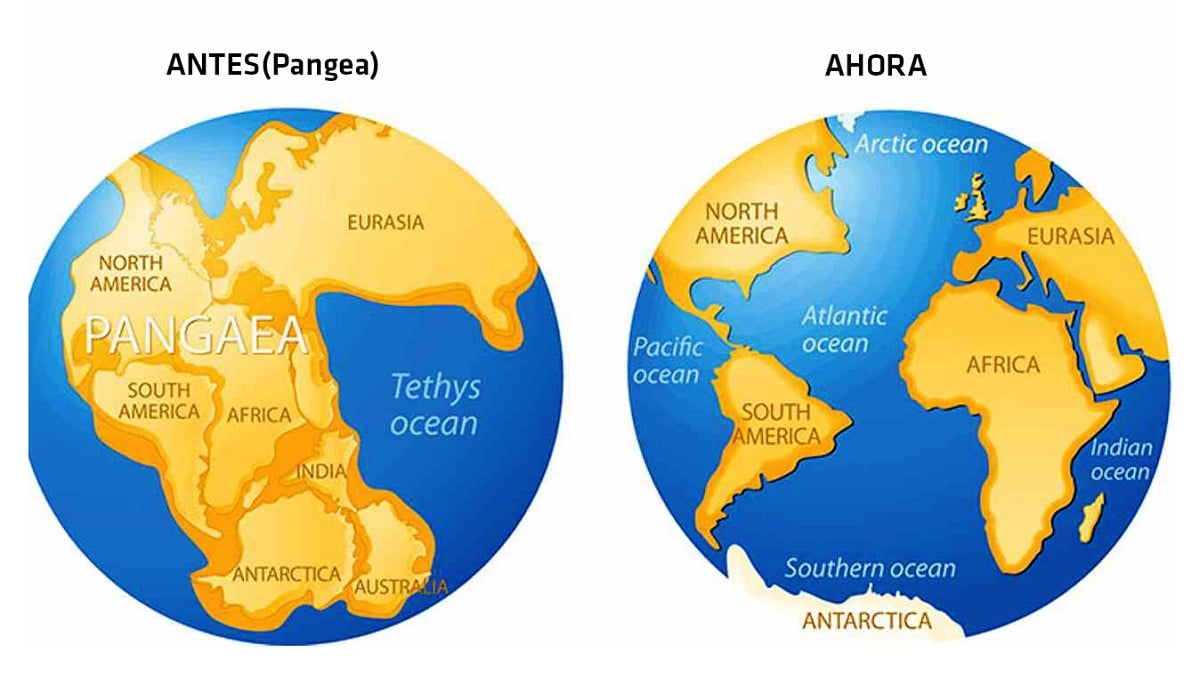
Pangea

Pangea Political Map
[2] It Assembled From The Earlier Continental Units Of.
Wegener Called The Ancient Supercontinent Pangaea, Meaning All Lands In Greek, And He Said It Was Bordered By Panthalassa, The Universal Sea.
How Did Scientists “Discover” Pangea And Other Supercontinents Of The Past?
Related Post: